If your goal is to feel stronger, stand taller and see more definition through your core, legs and arms, pilates for toning can absolutely help - but not in the vague, fluffy way fitness marketing often suggests. Real toning comes from building lean muscle, improving muscle endurance and challenging your body consistently enough that it has to adapt.
That is exactly why so many people are drawn to Pilates in the first place. It is low impact, smart on technique and approachable for beginners, but it can still leave your muscles shaking in the best possible way. The catch is that not all Pilates is programmed the same, and not every class style will create the same result.
What does pilates for toning really mean?
When people say they want to get toned, they usually mean they want more visible muscle definition, better posture, a firmer feeling through the body and less of that weak or wobbly feeling during everyday movement. Toning is not a separate fitness category. It is what happens when you build muscle and reduce excess body fat over time.
Pilates helps with the muscle side of that equation. It targets deep stabilising muscles, improves control and works areas that many people struggle to switch on properly, especially the core, glutes and postural muscles. That matters because when those muscles are trained well, your whole body tends to move better and look stronger.
Where Pilates really stands out is in the quality of the work. Instead of rushing through sloppy reps, you spend time under tension, hold positions longer, move with control and challenge muscles from angles they may not get in a standard gym workout. That combination can be brilliant for shaping and strengthening the body.
Why Pilates works so well for muscle definition
A lot of people assume you need heavy lifting and hardcore cardio to look more toned. Sometimes that helps, sometimes it does not. It depends on your starting point, your consistency and whether your current training is actually working the right muscles.
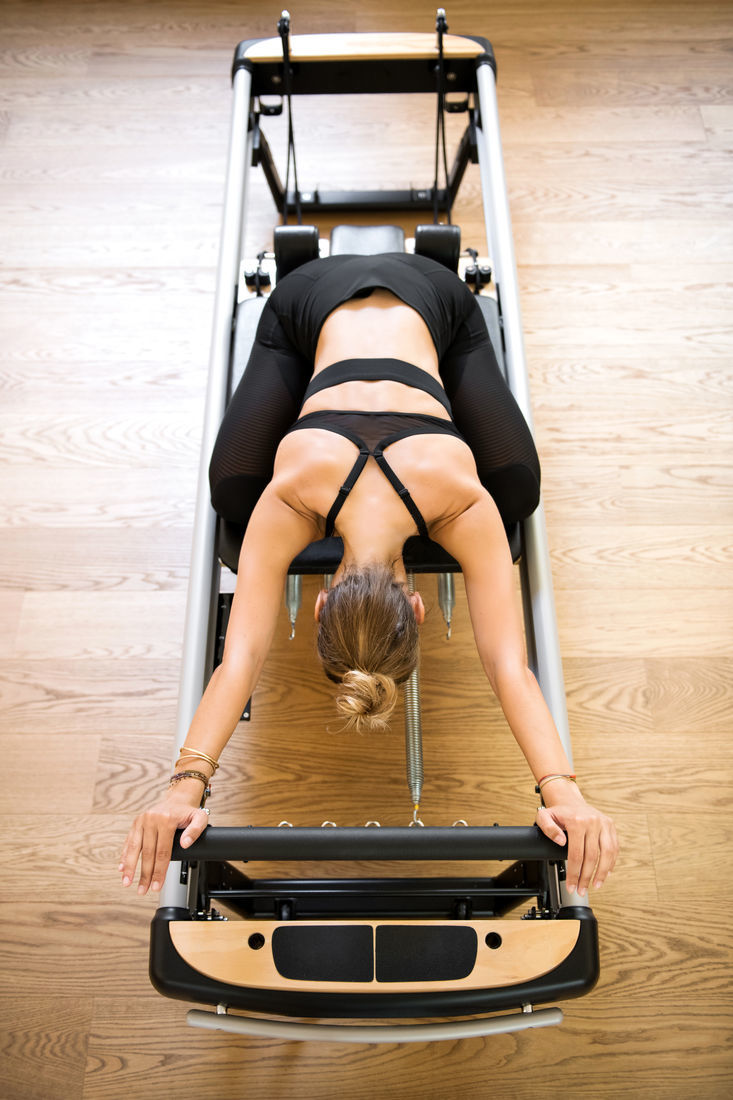
Pilates can be highly effective because it blends resistance, stability and endurance in one session. On a reformer, for example, spring tension creates resistance through both the lifting and return phase of an exercise. Add in pulses, holds, slow tempo work or accessories like bands and weights, and suddenly a low-impact class becomes a serious strength challenge.
This is especially useful for people who do not love traditional gyms, feel intimidated by heavy weights or want something kinder on the joints. You can train hard without feeling smashed. For busy people, that makes consistency much easier, and consistency is where toning results come from.
Posture also plays a bigger role than many expect. Stronger upper back, shoulder and core muscles can change how your body carries itself. You may not just feel more toned - you may actually look it because you are standing differently.
The best type of Pilates for toning
If your main goal is visible results, class style matters. Gentle mat sessions focused only on stretching and breathing can feel great, but they are usually not enough on their own for faster toning changes. They support recovery and mobility, which is valuable, but they may not provide enough resistance or progression.
Reformer Pilates for toning
Reformer-based training is often the sweet spot because it adds adjustable resistance while still keeping the movement controlled. That means you can challenge your legs, glutes, core and arms in a more progressive way. You are not just moving - you are working against load.
For many people, reformer classes also feel more engaging than doing the same mat routine at home. Variety helps motivation, and motivation helps attendance.
Pilates with weights and accessories
If you want to turn the dial up, classes that combine Pilates principles with weights, bands, circles or other resistance tools can be even better. These sessions often create more muscular fatigue, particularly through the glutes, thighs, shoulders and arms.
That is where a studio with broader programming can make a real difference. A mix of reformer work, strength-based sessions and Pilates-inspired resistance training tends to deliver stronger body composition results than doing one style over and over.
How often should you do pilates for toning?
This is the question everyone wants answered, and the honest answer is that results depend on frequency, intensity and what you are doing outside class as well.
For most people, two classes a week is a solid start. You will feel stronger, move better and begin building consistency. Three to four sessions a week is where many people start noticing more obvious toning changes, especially if the classes are challenging and varied.
If you are only attending once a week, you can still enjoy benefits, but visible body changes will usually come slower. That is not a reason to give up. It just means expectations need to match effort.
Recovery matters too. More is not always better if your form drops off or your body is constantly exhausted. A smart mix of strength, reformer and mobility work often beats smashing the same muscles every day.
What helps you get better results faster
Pilates can absolutely support toning, but it works best when a few other basics are in place.
Nutrition is part of the picture. If you are building muscle but also want definition, your eating habits matter. That does not mean extreme dieting. It usually means eating enough protein, staying consistent and avoiding the start-stop cycle that stalls progress.
Effort in class matters just as much. It is easy to underestimate a low-impact workout and coast through it. The people who get the best results are usually the ones who focus on form, work through the burn and choose springs or progressions that genuinely challenge them.
Then there is progression. Your body adapts quickly. If every class feels exactly the same after a few weeks, your results may plateau. Good programming changes over time, introduces new movement patterns and increases challenge in ways that keep your muscles working.
Common mistakes with pilates for toning
One of the biggest mistakes is treating Pilates like a recovery-only workout when your goal is body change. Recovery sessions have their place, but if you want more muscle definition, some of your training needs to feel properly hard.
Another mistake is chasing calories instead of strength. Pilates may not always leave you drenched in sweat like a HIIT class, but that does not mean it is not effective. The burn from controlled, resistance-based movement is often exactly what your muscles need.
Some people also give up too early. Pilates rewards consistency. The first few weeks can be humbling because the movements look simple until you try to do them well. Stick with it. Better control, stronger muscles and better shape come from repetition over time.
Why beginners often do so well with Pilates
There is a reason beginners often see great results with Pilates. If you have not been strength training consistently, almost any well-structured resistance work can create noticeable change. Pilates offers that challenge in a format that feels less intimidating than many gym environments.
It is also easier to build confidence when you have coaching, structure and a welcoming room around you. You do not need to know every exercise before you start. You just need to show up and be willing to learn.
That beginner-friendly feel is a big part of why so many locals choose studio training over trying to figure it all out alone. At Toned Pilates, for example, the focus is on making classes approachable while still pushing for real results - which is exactly the balance most people need if they want to stay consistent.
Is Pilates enough on its own?
Sometimes yes, sometimes no. If you are currently inactive, doing Pilates regularly can make a huge difference to your strength, posture and overall tone. If you already train a lot, Pilates may work best as part of a broader routine that includes other strength or cardio sessions.
It also depends on your goals. If you want to feel firmer, stronger and more mobile, Pilates may be enough. If you want significant fat loss alongside toning, you will probably need to look at your nutrition, daily movement and total weekly exercise as well.
That is not a downside. It is just the reality of body transformation. Pilates is a powerful tool, but like any tool, it works best as part of a bigger plan.
The real secret to getting toned
The real secret is not finding a magic class. It is finding training you will actually keep doing. Pilates works for toning because it strengthens without wrecking your body, challenges muscles in a smart way and keeps you connected to how you move. When you pair that with consistency and the right level of intensity, results stop feeling random.
So if you have been waiting until you feel fitter, stronger or more confident to start, flip that thinking. Start now, let the strength build week by week and give your body a reason to change.